What a Home Appraisal Really Measures, and What Quietly Drags It Down
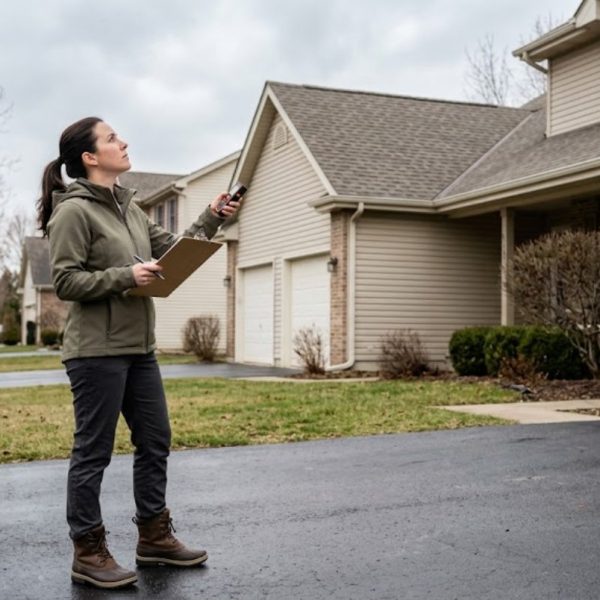
There is a particular kind of anxiety that arrives the week of a home appraisal. Sellers scrub baseboards. Buyers refresh their inbox every twenty minutes. Everyone treats the appraiser as an examiner who might fail them over a scuffed skirting board. That is not what is happening, and the misunderstanding is expensive, because all that effort goes into the wrong places.
An appraisal is an opinion of value, produced by a licensed third party, that a lender leans on before handing over several hundred thousand against a property nobody at the bank will ever visit. The appraiser works for the lender. Their job is to stop the bank lending more than the collateral is worth. Once you see the process from that angle, most of the mystery falls away.
What the Number Is Actually Built From
The core of almost every residential valuation is the sales comparison approach. The appraiser finds three to six properties that recently sold nearby, ideally within the last six months and within a mile, and adjusts their sale prices up or down to account for differences. An extra bathroom is worth a certain amount. A finished basement is worth less per square foot than above-grade space. A busy road knocks something off. The result is a range, and the appraiser lands somewhere inside it.
This is why the single biggest driver of your valuation is entirely outside your control. If four similar houses on your street sold cheaply in the spring, your ceiling was set in the spring. The formal methodology behind real estate appraisal also allows for cost and income approaches, but for an ordinary family home those are usually supporting evidence rather than the main event.
What Hurts a Home Appraisal
Ask what hurts a home appraisal and most people guess cosmetics. Paint colour, dated kitchens, clutter. Those matter far less than sellers fear. Appraisers are trained to look past decor to condition and function.
What genuinely drags a number down is deferred maintenance, because it converts directly into a repair estimate. A roof at the end of its life, damp in a corner, a boiler older than the buyer, cracked render, dodgy wiring. All of it becomes a subtraction. Unpermitted work is the other quiet killer. That converted garage or extra bedroom in the loft may add nothing at all if the paperwork does not exist, and in some cases it actively counts against you because the appraiser has to flag it. Homeowners swapping notes in the r/RealEstate community return to this point constantly, and the pattern is consistent: the permit file matters more than the finish.
The Home Appraisal Checklist Nobody Hands You
A useful home appraisal checklist is mostly paperwork, not polishing. Have the permits for any structural work. Write down every improvement made in the last ten years with rough dates and costs, because an appraiser cannot credit what they cannot see, and a new heat pump behind a cupboard door is invisible. List recent nearby sales you think are genuinely comparable, particularly any the appraiser might miss because they closed off-market.
Then do the small practical things. Make sure the loft hatch, the meter, the boiler and the crawl space are physically reachable. Measure nothing yourself, but do not obstruct anything. And be present without hovering, so you can answer questions rather than narrate a tour.
How Long a Home Appraisal Takes
The visit itself is short, usually twenty minutes to an hour for a standard house, sometimes longer for something unusual or very large. The waiting happens afterwards. Writing the report, pulling the comparable sales and getting it reviewed typically takes three to seven working days, occasionally longer in a busy market. If a lender quotes you two weeks, that is normal rather than a warning sign.
Appraisal practice varies sharply once you leave your own market. Valuation methods, disclosure rules and the treatment of leasehold land can all differ in ways that catch buyers out. Anyone planning to invest in thailand discovers early that the valuation is only as useful as the documentation supporting it.
An appraisal is one of several checkpoints that decide whether a purchase completes on time or quietly drifts. Once the valuation lands, attention shifts to the sequence of approvals and signatures that make up a real estate closing, where small delays compound into weeks. Buyers who understand both stages tend to be the ones who move in on schedule.
When It Comes In Low
A low valuation is not a verdict. It is a document, and documents can be challenged. The usual route is a reconsideration of value, where you submit comparable sales the appraiser did not use and explain why they fit better. This works when you have real evidence and fails when you simply disagree with the conclusion.
Beyond that, the gap has to be closed by somebody. The seller reduces, the buyer brings extra cash, the two split the difference, or the deal ends. None of those are pleasant, but knowing the four options in advance makes the conversation much shorter.
When the Buyer Is Coming From Somewhere Else
Cross-border purchases add a layer that catches people out. Valuation conventions differ by country, floor area is measured differently in almost every market, and a survey that means one thing in Spain means something else in Ohio. Anyone buying property abroad discovers quickly that the contract, the survey and the title documents all have to be understood in full, not skimmed.
Listing copy has the same problem in reverse. The difference between localizing a property listing and simply translating it is the difference between a foreign buyer understanding what they are looking at and quietly moving on. If your market includes international buyers, that is worth more than another weekend of touch-up paint.
None of this makes an appraisal enjoyable. It does make it predictable, which is the next best thing.